Start Your Stargazing Journey
First telescope advice
The one first telescope I would buy again tomorrow.
Start your stargazing journey. Most beginners spend three weeks comparing telescopes and end up with one that lives in a cupboard. Here is the telescope I recommend, what it really costs, how much it weighs, and what to buy instead if it does not suit you.
See the telescope I recommendApertura AD8, $699.95 at High Point Scientific. Price checked October 2026.
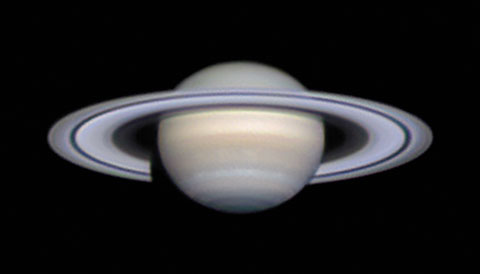
The first time I found Saturn, I was in my backyard with a second-hand telescope and a cup of coffee going cold on the table beside me.
The rings were right there in the eyepiece. Small, and sharp, and unmistakably real.
I stayed out far longer than I meant to.
That is what a telescope is for. Not the specifications, and not the comparison charts. One clear night when something you have read about your whole life is suddenly in front of you.
Which is why the telescope question is worth getting right the first time. A good first telescope gives you that night in the first week. A bad one gives you a wobbling view, a foggy eyepiece, and a cupboard full of regret.
Warren
What you will actually see
Three things that stop you in your tracks
These are what a small telescope shows on a normal night from a normal backyard. Your own eye, at the eyepiece, a minute after you walk outside.
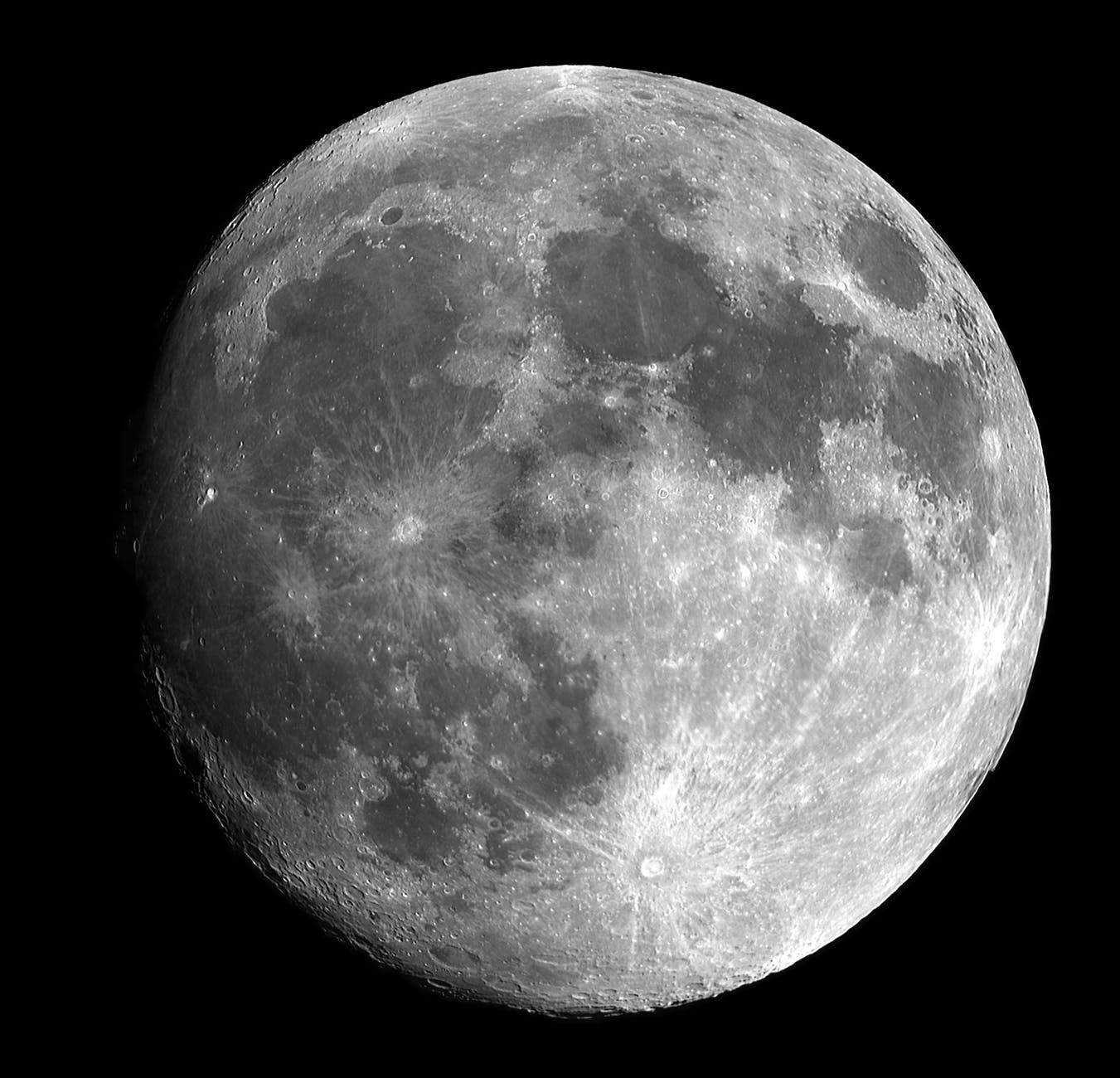
The Moon
Craters and mountain ranges, and far more detail than you can take in on the first night. Catch it when it is not quite full and the shadow line along the edge becomes the best part, with mountain peaks throwing shadows you can see. It is the easiest thing in the sky to find and the most detailed thing you will ever see.

Jupiter
A pale disc with up to four tiny moons strung out beside it. On a steady night two darker cloud belts cross the planet. Those moons are real worlds, and you can watch them move from one night to the next.
Saturn
The rings, clearly separated from the planet, tilted at an angle that changes slightly each year. It looks like a sticker of Saturn pasted onto the sky, and people laugh the first time they see it.
Now the honest part. The Moon, Jupiter and Saturn look genuinely astonishing through a small telescope, which is why they are the right first targets. Almost everything else in the sky is a faint grey smudge, including the Andromeda galaxy. Blame your eyes rather than the telescope, because in the dark they see very little colour and very little detail, which is why so much of astronomy relies on cameras. Expect a smudge, and a smudge will delight you.
Why first telescopes disappoint
Four things that turn a new telescope into a cupboard ornament
I have watched beginners make the same four mistakes for years. None of them are about being careless. They all come from believing what the box says.
The huge number on the box
A telescope promising 600x magnification is advertising blur. Light is what reveals detail, and light is gathered by width: the aperture. Magnification is the least useful number printed anywhere.
A decent tube on a shaky mount
If the tripod wobbles when you touch the focuser, every object shivers and you never quite get it sharp. A steady base matters as much as the optics inside it.
The bargain with nothing in the box
Marketplace listings often arrive without a finder, with one weak eyepiece, and with instructions in three languages. You then spend the money you saved on the parts it needed.
More telescope than you can carry
The best telescope is the one that actually goes outside. Something that needs a cleared garage and two steady walkers does not get used at ten at night after a long Tuesday.
None of this means you need to spend a fortune. It means you need the right first telescope, which turns out to be a much smaller and much less expensive question than the internet makes it look.
The recommendation
My pick for most beginners: the Apertura AD8
Eight inches of mirror on a base that sits on the ground. No power, no alignment, no app, no batteries. You carry it out, point it at the Moon, and look.
That is the whole procedure. There is nothing between you and the sky to fight with on your first night, which is exactly why I recommend it over the computerised telescopes that cost more.
Apertura AD8 8-inch Dobsonian
- Eight inches of light gathering. That is roughly 800 times what your dark-adapted eye collects on its own, which is why it shows faint objects a 5-inch telescope cannot.
- A steady base with no motor. The tube rests in a cradle and the whole thing turns by hand. Nothing shakes because nothing is powered.
- It comes apart. The tube lifts off the base, so you carry it out in two comfortable trips rather than one awkward one.
- Eyepieces and a finder are in the box. Nothing else to buy before your first clear night.
- It grows with you. A 1200mm focal length at f/6 is gentle on eyepieces, so better ones improve the view without needing a new telescope.
This is an affiliate link. If you buy through it I earn a small commission, and you pay exactly the same price.
What I would tell a friend. This is a sturdy object that lives near a door, and it weighs around 52 pounds in total. The tube is about 25 pounds and the base about 28, so the trick is two trips, not one. If you have a steep flight of stairs or a long walk to your viewing spot, read the alternatives below before you order.
After it arrives
Your first night, in four steps
Nobody needs a manual for this. The order matters more than the technique.
Set it down on flat ground. A patio, a driveway, or short grass. Give yourself a metre of space around it so you are not leaning over a garden bed in the dark.
Start with the wider eyepiece. The lower power view is brighter and far easier to aim, so find the Moon there first, then swap to the tighter eyepiece and centre it again.
Look with your glasses off if you are short-sighted. Focus the eyepiece for your own eyes, not for the last person who used it.
Give your eyes twenty minutes. Dark adaptation is slow, and the difference between your first look and your twentieth is enormous. Sit down while you wait, because half the pleasure of this hobby is sitting still in the dark.
If the AD8 is not right for you
Two honest alternatives
Different people have different budgets and different backyards. These are the only two alternatives I would point a beginner towards.
Lighter and cheaper
Apertura AD6 6-inch Dobsonian
$499.95
The same design with a smaller mirror, and about ten pounds lighter in total. You keep the Moon, the rings of Saturn and the moons of Jupiter. What you lose is brightness and detail on faint nebulas and galaxies.
Choose this if the AD8 would be too much to carry, or if $699 is more than you want to spend on a first telescope.
See the 6-inch DobsonianFinds things for you
Celestron NexStar 5SE
$1,029.00
A computerised mount that swings the telescope to whatever you pick from its built-in list, then keeps it centred as the sky turns. It is a smaller scope for a good deal more money, and each session starts with batteries and a short alignment routine.
Choose this if you would rather the telescope find things for you, or if you plan to share the view and want the object to stay put while someone else looks.
See the NexStar 5SESave your money
What you do not need to buy
Nothing else, for now. The eyepieces in the box will keep you busy for a year, and the accessory kits sold alongside telescopes mostly sit in their cases.
Add one thing at a time, and only after you have used the telescope for five or six nights and know what you are missing. A red torch and a folding chair will do more for your first month than any kit on the shelf.
The most useful thing you can buy after the telescope is petrol, or a bus fare, to somewhere darker than your backyard. That single trip will show you more than any accessory.
Before you decide
The questions I get asked most
How heavy is it, really?
52 pounds altogether, in two pieces. The tube is about 25 pounds and the base about 28, so the tube lifts off and each part is a comfortable weight on its own. You are never balancing a heavy tube on top of a tripod. If lifting about 25 pounds is difficult for you, go with the 6-inch instead.
Do I have to adjust the mirrors?
Occasionally, yes. It is called collimation, and Dobsonians hold their alignment well. The telescope arrives roughly set up, and a check takes a few minutes once you have done it twice. Every guide to it makes it sound harder than it is.
Will it still be good from a city backyard?
The Moon, the planets, double stars and the brighter clusters all cut through suburban light. Faint galaxies and nebulas need a darker sky, which is why a drive out of town is worth more than any accessory. The telescope is not the limiting factor there.
Can I take photographs with it?
The Moon, yes, with a phone held to the eyepiece. Deep sky photography needs a different mount, a camera and a budget several times larger. That is a different hobby and a different purchase, so please do not buy this telescope for photographs of nebulas.
Do I need to know the sky first?
No. Start with the Moon, which is impossible to miss and looks different every night of the month. Then Jupiter, then Saturn. By the time you want to find anything harder, you will have learned your way around without trying. See which planets are visible tonight and start getting familiar with the night sky.
What if I buy it and it sits in the cupboard?
Check the retailer's return window before you order, then use the telescope in the first fortnight while that window is still open. If it is not for you, send it back and you have lost nothing but an evening.
Not ready to buy tonight?
Start with Discover the Night Sky
Discover the Night Sky is a free short guide to your first evening under the sky: what to look for, in what order, and how to find the Moon and the planets with nothing but your eyes. It is the advice I would give you standing in your own backyard.
You'll also receive helpful stargazing tips from White Star Outdoors. Unsubscribe anytime.